Pet Preventive Care in Yelm, WA
Pet preventive care means addressing health risks before they develop, using vaccines, parasite control, screening tests, and sensible guidance on exposure.
Yelm Veterinary Hospital plans preventive vet care around each animal rather than a single schedule. Recommendations follow each animal’s age, medical history, surroundings, social contact, travel, and work or play.
In Yelm, those details often include acreage, barns, livestock and poultry, prairie and forest trails, and wildlife that moves across properties at night.
We aim to find what can be prevented and fit protection to your animals.

Preventive Vet Care and Annual Vet Exams for Yelm Pets
Preventive care for pets works by catching trouble early, and on a rural property that early protection carries extra weight. Here in Yelm, preventive care services for pets generally include:
- Core and risk-based vaccinations
- Flea and tick prevention
- Heartworm questions for pets that leave the property
- Fecal testing and deworming plans
- Advice on wildlife, water, and livestock exposure
- Added steps tailored to each animal’s history
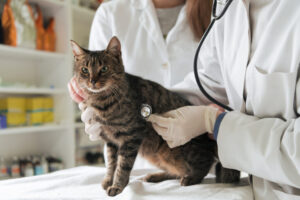
Pet wellness exams (annual vet exams) come first in preventive veterinary care. At the visit the veterinarian feels, listens, and weighs, and you share what has changed at home. Dr. Michelle Raleigh and Dr. Kyle Blomberg both have a special interest in preventive care. Vet preventive care picks up from there.
Everything on this page builds on that exam, which you can also book by itself.
Pet Vaccinations for Barn, Trail, and Back Porch
Vaccines protect rural pets from diseases carried by neighboring animals and wildlife. The core vaccines for dogs are rabies, distemper, and parvovirus, and cats receive rabies plus a feline combination vaccine (FVRCP). Outdoor and barn cats are more likely to need feline leukemia protection, and dogs that drink from ponds or ditches may need leptospirosis protection. If your dog rides along on farm errands or visits feed stores and fairs, other animals’ germs can travel with it, so mention those outings when vaccines are reviewed.
Rabies deserves emphasis in a rural setting. Bats are a recognized source in Washington and may roost in barns and eaves, so keeping the vaccine current matters. If wildlife bites or scratches your pet, call us the same day.
Young animals begin with a staged series, and adults follow boosters that can be timed around work seasons such as hunting or trail running.
Flea, Tick, and Parasite Prevention on the Prairie
South Sound weather stays cool and damp for much of the year, so ticks, fleas, and worms rarely take a full break. Ticks may wait in fern and tall grass, fleas can hitch rides on wildlife, and mosquitoes can spread heartworm where it occurs.
Livestock and poultry change the picture. Pastures, coops, and manure piles can pass Giardia and intestinal worms to curious pets, which is why deworming and fecal testing schedules on acreage often differ from city schedules. Ponds and ditches can also harbor bacteria such as leptospirosis, so telling us which of those your pet can reach helps us decide what to test for. Rotating pastures, picking up manure, and keeping feed in sealed containers all reduce how often pets meet parasites and rodents.
When Life on the Property Changes Your Pet’s Preventive Care
Even a healthy pet can outgrow a plan. Reach out when a pet:
- Starts working or spending time around livestock
- Begins hiking the Yelm-Tenino Trail or traveling farther
- Boards while you travel
- Arrives with a move or relocation
Local Health Considerations for Yelm Pets
Yelm mixes small-town streets with prairie, forest, and farmland. The Yelm-Tenino Trail draws dog walkers, and the Nisqually River corridor and Cascade foothills invite longer weekend trips. Several of our veterinarians are avid hikers who know what trailheads mean for ticks and water.
Deer, rodents, and birds can carry fleas and ticks into yards, and wet winters keep soil damp. Because properties here can span several acres, a pet may spend hours out of sight, which makes steady parasite control and current vaccines even more valuable. Dr. Raleigh lives with dogs, cats, horses, alpacas, and chickens on her own farm, so questions about mixed-animal households get answers from experience.
When you visit our Yelm vets, describe the property, the animals sharing it, and your pet’s favorite spots.
Veterinary Services in Yelm, WA as Your Pet Ages
Young animals need structured vaccines and early parasite protection, adults need adjustments as work and activity change, and seniors keep their protection because immune defenses fade with age. Older farm dogs and barn cats often hide discomfort, so regular exams help catch changes in weight, mobility, or appetite sooner, which keeps small problems from becoming larger ones. Our blog on keeping older pets thriving looks at how care shifts in later years.
Dentistry, diagnostics, surgery, and other veterinary services in Yelm, WA are recommended separately when needed. If you have just moved here, bringing records from a previous veterinarian helps the team fill gaps quickly, and our what to expect page walks new clients through a first visit.
Your Trusted Vets in Yelm, WA
Yelm Veterinary Hospital has served the community for more than 30 years and has belonged to AAHA since 1998. From W Yelm Avenue we provide vet exams in Yelm, WA alongside vaccines, parasite control, and everyday care for dogs and cats, with weekday hours that begin at 7:00 a.m.
If you are looking for vets in Yelm, WA who understand barns as well as living rooms, we would like to meet you. Our contact page is a good place to start.
Plan Ahead for Pet Preventive Care With Yelm Veterinary Hospital
New puppy, barn cat, or trail partner? A quick review confirms what is current.
Contact Yelm Veterinary Hospital and we will shape a plan around the land you live on, the animals you keep, and the places you travel.
Yelm Pet Preventive Care FAQs
What changes about preventive care for pets that live on acreage?
Exposure to wildlife, livestock, and shared ground is higher, so plans often emphasize parasite testing, tick and flea control, and vaccines that reflect those risks.
Can dogs pick up parasites from chickens, horses, or goats?
Yes. Dogs that eat manure or explore coops and pastures can pick up intestinal parasites, so regular fecal testing is worthwhile.
Do barn cats need vaccines and parasite protection?
Yes. Barn cats meet wildlife, rodents, and other cats, so protection still applies, adjusted for how they live.
Do older pets in Yelm still need preventive care?
Yes. Aging immune systems fight infection less effectively, so older dogs and cats benefit from continued vaccines, parasite control, and screening.
What should I do if my dog or cat has contact with a bat or other wildlife?
Prompt care matters. Bites and scratches can lead to infection and raise rabies concerns, so contact the clinic and keep your pet’s rabies vaccine current.